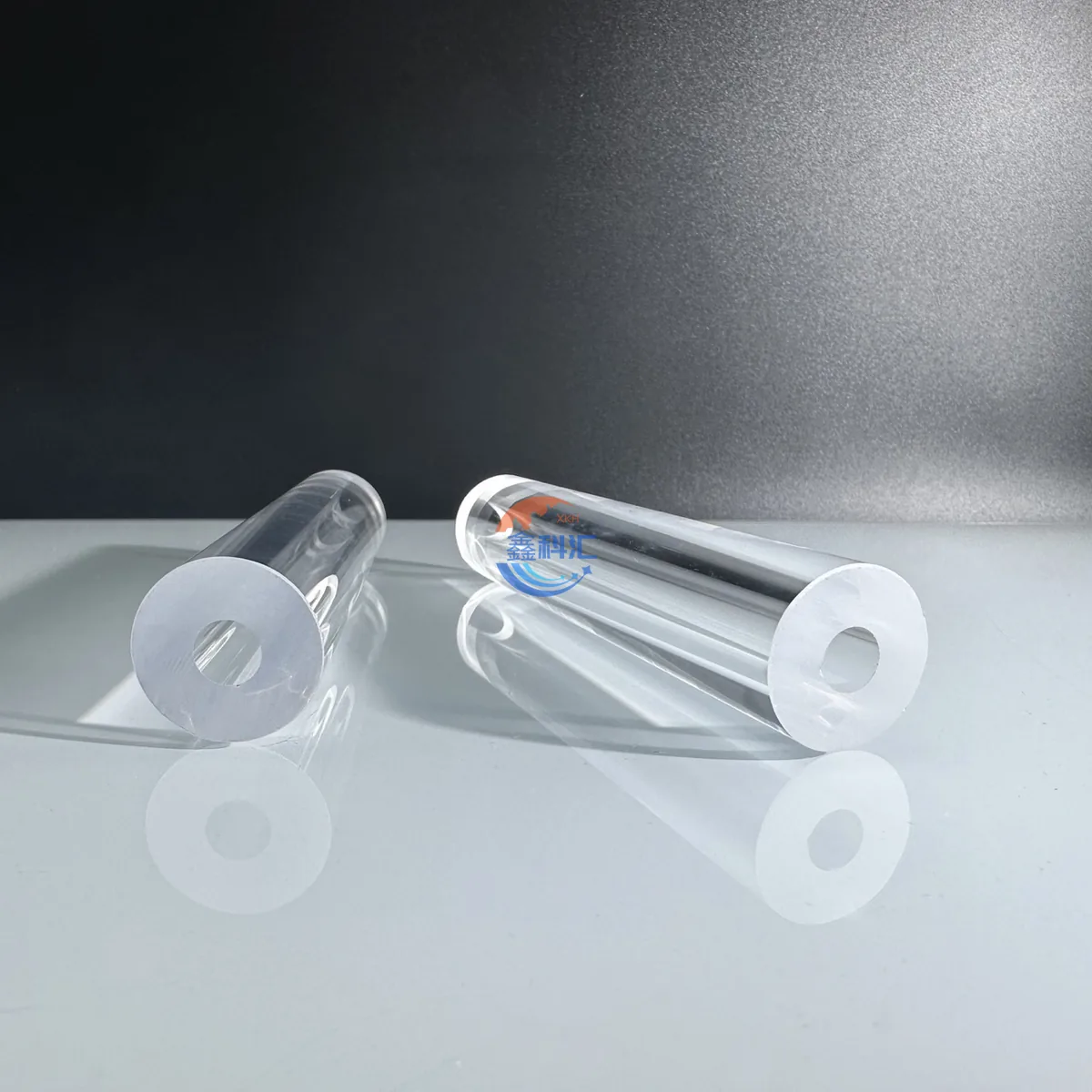
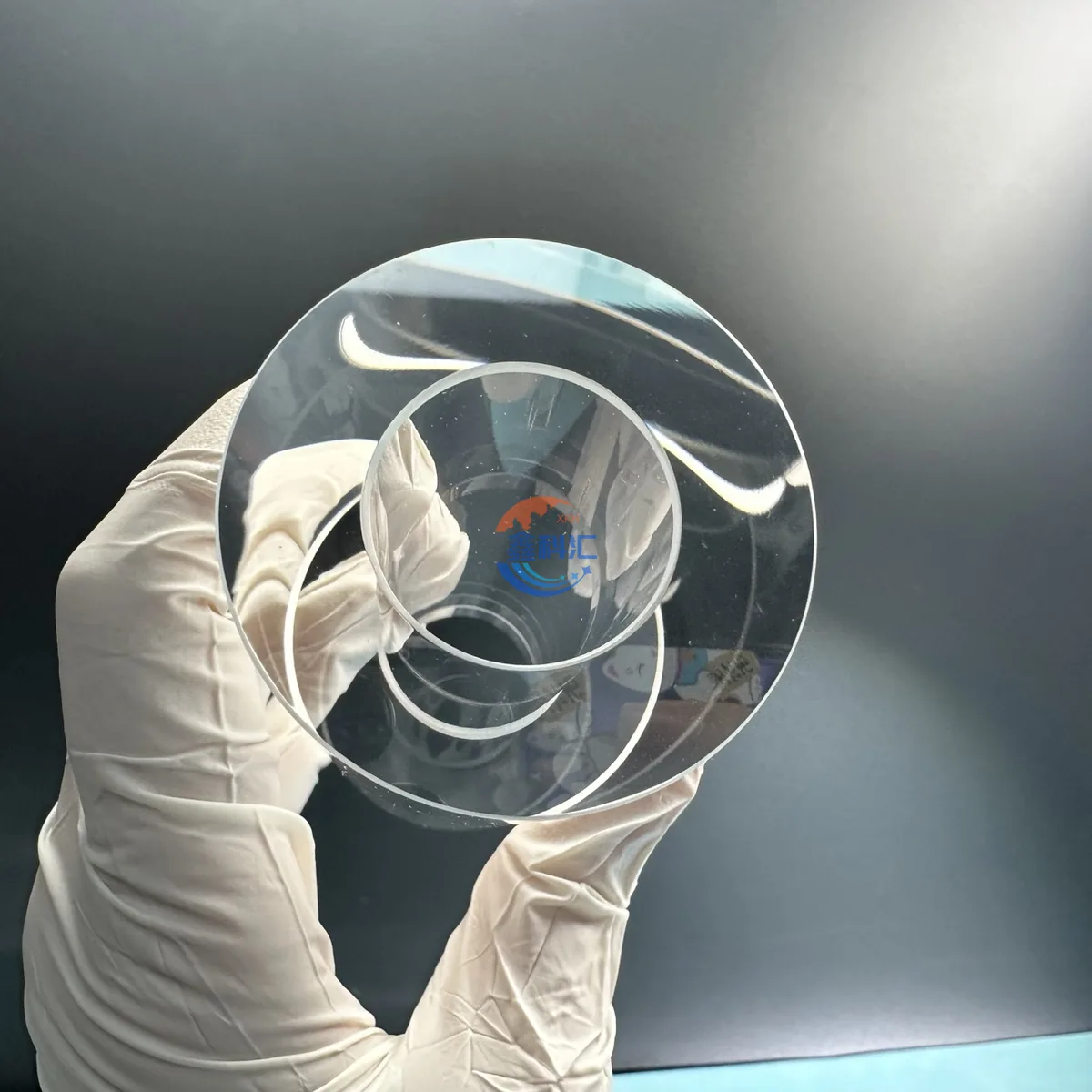
What is a sapphire tube?
A sapphire tube is a hollow component made from single-crystal aluminum oxide, alpha-Al2O3. It combines optical transparency with high hardness and is used in optical sleeves, sensor protection and precision instruments.
Can you manufacture a custom sapphire tube?
Yes, XINKEHUI supports drawing-led customization. Provide outer diameter, inner diameter, length, quantity, surface finish and operating conditions. Feasibility and tolerances are confirmed before a sapphire tube order is accepted.
Which sapphire tube dimensions are listed?
ST5-ST50 series span 5-70 mm outer diameter. Catalog maximum lengths reach 1400 mm for ST5-ST30 and 400 mm for ST50. UST micro tubes list 1-3 mm OD, 0.3-1 mm bore and up to 150 mm length. Not every combination is feasible.
Is a closed-end sapphire protection tube available?
The XINKEHUI catalog includes one-end-closed sapphire tube configurations. Confirm the end geometry, remaining wall thickness, overall length and sensor fit. Pressure and leak requirements must be agreed for the finished assembly.
What is the maximum operating temperature?
There is no universal operating-temperature rating for every sapphire tube. Atmosphere, thermal gradients, geometry, mounting and cycling matter. Share the normal and peak temperatures and heating/cooling rates for engineering review.
Can a sapphire tube withstand rapid thermal shock?
Do not assume an unrestricted thermal-shock rating. Sapphire is a brittle crystal; gradients and constrained expansion can cause damage. Use controlled temperature changes and qualify the actual sapphire tube assembly under representative conditions.
Are sapphire tubes chemically resistant?
Sapphire has useful chemical resistance, but not universal compatibility. Provide the medium, concentration, operating temperature, exposure time and cleaning process. Harsh chemicals and molten materials require application-specific evaluation.
Can the inner and outer sapphire tube walls be polished?
Specify which surfaces need polishing and the optical or roughness requirement. Inner-wall access depends on bore size and length. A polished sapphire tube still needs wavelength-specific evaluation when optical performance is critical.
How do sapphire tubes differ from quartz tubes?
Sapphire offers much higher surface hardness, while fused silica offers low thermal expansion. Optical behavior, temperature capability and chemical compatibility differ. Select a sapphire tube or quartz tube against the complete application, not one headline property.
Are sapphire tubes pressure-rated or gas-tight?
No universal pressure or leak-rate guarantee is offered here. A dense crystal wall does not certify the complete sapphire tube assembly. Wall geometry, surface damage, end conditions and seals determine the required qualification.
What are the sapphire tube price, MOQ and lead time?
Sapphire tube pricing, minimum order quantity, stock and delivery timing are confirmed by quotation. Diameter, length, bore, polishing, end configuration, inspection and quantity affect cost and scheduling. No numeric price range or live stock status is verified on this page.
How should a sapphire tube be mounted and cleaned?
Avoid point loads, edge impact and rigid mounting that prevents thermal expansion. Use compatible cleaning methods and protect polished surfaces from abrasive contact. Qualify seals, supports and cleaning agents for the actual sapphire tube application.
What inspection documents should I request?
Define the sapphire tube inspection scope with the quotation: dimensions, visual acceptance, optical tests, material purity evidence or special leak tests where applicable. Documents and test methods must be agreed; they are not automatically included.